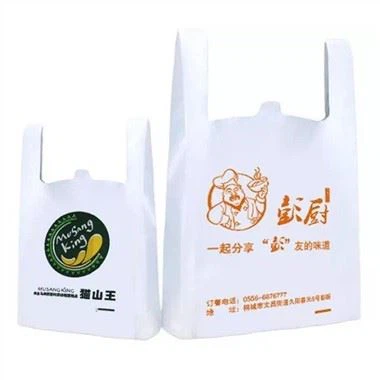
T-Shirt Bags Compliance Guide: US, EU & Asia Markets
Dec 25, 2025
Quick Summary
Compliance is no longer optional for T-shirt bags. Regulations across the US, EU, and Asia increasingly govern material type, thickness, recycled content, labeling, and environmental claims. This guide breaks down the key compliance requirements by region and explains how buyers can source compliant T-shirt bags without disrupting cost, supply stability, or performance.
1. Why Compliance Matters for T-Shirt Bags Buyers
For supermarkets, retailers, and distributors, non-compliant T-shirt bags can result in:
- Import delays or shipment rejection
- Fines and regulatory penalties
- Forced product recalls
- Brand reputation damage
- Sudden supplier replacement risks
As regulations evolve rapidly, buyers must treat compliance as a core purchasing criterion, not an afterthought.
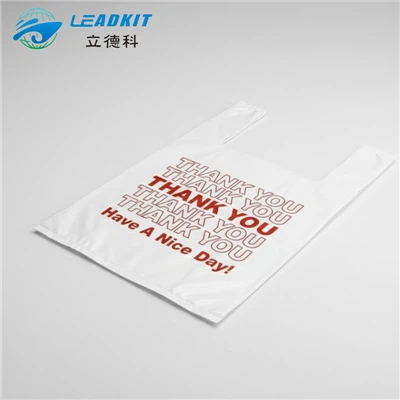


2. United States: State-Level Regulations Dominate
Unlike the EU, the US does not have one unified federal plastic bag law. Instead, state and city regulations drive compliance.
Key compliance themes:
- Plastic bag bans or fees (e.g. California, New York)
- Minimum thickness requirements (often 2.25 mil for reusable bags)
- Mandatory recycled content
- Labeling requirements ("Reusable", "Recyclable")
Buyer checklist (US):
- Confirm destination state/city regulations
- Verify thickness with calibrated measurement
- Ensure recycled content documentation
- Avoid misleading "biodegradable" claims
⚠️ Common risk: Using standard thin HDPE T-shirt bags in regulated states where only reusable or paper bags are allowed.
3. European Union: Harmonized but Strict
 The EU enforces plastic bag regulation through EU Directive 2015/720 and related national laws.
Core EU requirements:
Reduction of lightweight plastic carrier bags (<50 microns)
Mandatory reporting of bag consumption
Encouragement or enforcement of charges/bans
Clear differentiation between plastic, biodegradable, and compostable bags
Compostable bags in the EU:
Must comply with EN 13432
Industrial compostability certification required
Clear labeling to prevent greenwashing
Buyer checklist (EU):
Identify if bags are <15, 15–50, or >50 microns
Confirm EN 13432 certificates (if compostable)
Ensure correct disposal instructions on printing
Avoid oxo-degradable materials (banned)
The EU focuses not just on material, but also on consumer behavior and waste management compatibility.
4. Asia Markets: Fast-Changing and Highly Localized
Asia presents the most diverse regulatory landscape. Policies differ significantly by country - and change frequently.
Examples by market:
China: Nationwide plastic bag restrictions, thickness & charge enforcement
Japan: Mandatory plastic bag fees, emphasis on recycling labels
South Korea: Strong restrictions on retail plastic bags
Singapore: Mandatory reporting and charging schemes
Southeast Asia: Gradual bans, pilot programs, city-level rules
Buyer checklist (Asia):
Verify local language labeling requirements
Confirm material category (HDPE, LDPE, biodegradable)
Ensure compliance with import documentation
Prepare for rapid policy updates
Asia buyers must prioritize supplier agility and regulatory monitoring.
5. Thickness, Material & Claims: Where Buyers Make Mistakes
Across all regions, non-compliance often results from:
Confusing thickness with strength
Assuming biodegradable = compliant
Using recycled content without certification
Printing incorrect environmental claims
Key reminder:
A bag can be physically strong and still legally non-compliant.
6. Case Study: Leadkit® Helps Retail Chain Achieve Multi-Market Compliance
Client background:
A regional retailer operated stores in the US, EU, and Southeast Asia.
Challenge:
Using one standard T-shirt bag led to compliance risks in multiple markets.
Leadkit® solution:
Developed region-specific T-shirt bag SKUs
HDPE thin bags for unregulated markets
Recycled-content bags for regulated US states
EN 13432 certified compostable bags for EU locations
Customized labeling and printing per region
Results:
Zero regulatory violations
Simplified compliance audits
Stable supply chain across markets
Controlled cost increase below 6%
This approach ensured compliance without operational disruption.
7. Leadkit®: Your Compliance-Ready T-Shirt Bag Partner
Leadkit® supports global buyers with:
HDPE, LDPE, PCR, biodegradable & compostable T-shirt bags
Compliance consulting for US, EU & Asia
Certified documentation (ISO, SGS, EN standards)
Thickness & recycled-content verification
Market-specific printing & labeling
We don't just supply bags - we help buyers stay compliant as regulations evolve.

8. Final Takeaways for Buyers
To stay compliant across markets, buyers should:
Track regulations by destination market
Match material and thickness to legal definitions
Verify all environmental claims with documentation
Avoid one-size-fits-all bag strategies
Work with compliance-experienced suppliers
Compliance is no longer about reacting - it's about designing for regulation from the start.
References
- EU Directive 2015/720 on Plastic Carrier Bags
- California SB 270 & related US state regulations
- Japan Ministry of Environment – Plastic Resource Circulation Act
- Leadkit® Compliance & Testing Documentation (2023–2025)