Comparison Guide for PLA, PBAT, and Corn Starch-Based Materials
Jan 27, 2026
Quick Summary: PLA, PBAT, and corn starch-based materials are the foundation of today's compostable packaging. While all three are biodegradable under industrial composting conditions, they differ significantly in mechanical strength, flexibility, processing behavior, cost structure, and application suitability. This guide compares these materials side by side to help buyers select the right formulation for bags, films, and packaging products.
 In compostable packaging, material choice directly affects:
- Bag strength and durability
- Performance under load and moisture
- Shelf life and storage stability
- Regulatory compliance
- Total cost of ownership
Selecting the wrong material often results in premature bag failure or compliance risks, even when products are certified compostable.
PLA (Polylactic Acid)
A bio-based thermoplastic derived from fermented plant sugars. Known for rigidity and transparency.
PBAT (Polybutylene Adipate Terephthalate)
A flexible, biodegradable polymer designed to replicate LDPE-like performance.
Corn Starch-Based Materials
Natural polymers derived from corn, typically modified or blended for packaging use.
| Property | PLA | PBAT | Corn Starch-Based |
|---|---|---|---|
| Tensile strength | Medium–High | Medium | Low |
| Elongation at break | Low | Very high | Very low |
| Tear resistance | Low | High | Low |
| Flexibility | Low | High | Very low |
| Puncture resistance | Low | High | Low |
Key insight:
PBAT is essential for flexibility and toughness, while PLA contributes rigidity. Corn starch alone cannot meet performance demands without blending.
| Factor | PLA | PBAT | Corn Starch-Based |
|---|---|---|---|
| Heat resistance | Low (≈60°C) | Medium | Low |
| Cold resistance | Poor | Good | Poor |
| Moisture resistance | Moderate | Good | Poor |
| UV stability | Moderate | Moderate | Low |
PLA softens at relatively low temperatures, while PBAT remains stable in typical retail and logistics environments.
| Processing Aspect | PLA | PBAT | Corn Starch-Based |
|---|---|---|---|
| Film blowing | Limited | Excellent | Poor alone |
| Thermoforming | Excellent | Limited | Poor |
| Extrusion stability | Moderate | High | Low |
| Blending compatibility | Medium | Excellent | High |
PBAT is the processing backbone for compostable films, especially bags.
All three materials can meet:
- EN 13432 (EU)
- ASTM D6400 (US)
- ISO 17088
Important compliance notes:
- Compostability depends on final formulation, not raw resin
- Printing inks and additives must also comply
- Most products require industrial composting, not home composting
⚠️ Common buyer mistake:
Assuming corn starch or PLA products degrade naturally in home compost or landfill environments.
| Cost Factor | PLA | PBAT | Corn Starch-Based |
|---|---|---|---|
| Raw material cost | Medium | High | Low |
| Price volatility | Medium | High | Low |
| Processing cost | Medium | Medium | High (due to blending) |
| Overall cost efficiency | Medium | Medium–High | Low |
Blending starch with PBAT can reduce cost while maintaining compostability.
PLA
Clear compostable bags
Food packaging trays
Cups and rigid containers
PBAT
Compostable shopping bags
T-shirt bags
Garbage and mailing bags
Corn Starch-Based Blends
Lightweight shopping bags
Produce bags
Short-life packaging items
No single material delivers all required properties.
Common blend strategies:
- PBAT + PLA: Balance strength and stiffness
- PBAT + Starch: Improve cost efficiency
- PLA + PBAT + Starch: Optimized multi-property systems
Blending enables:
- Better load performance
- Controlled degradation
- Regulatory compliance
- Cost optimization
Choose PLA if:
Transparency and rigidity are priorities
Packaging is rigid or semi-rigid
Choose PBAT if:
Flexibility and strength are required
Bags must perform like traditional plastic
Choose Corn Starch-Based Blends if:
Cost sensitivity is high
Load requirements are light
Product life cycle is short
Leadkit® supports buyers with:
- PBAT / PLA / starch composite formulations
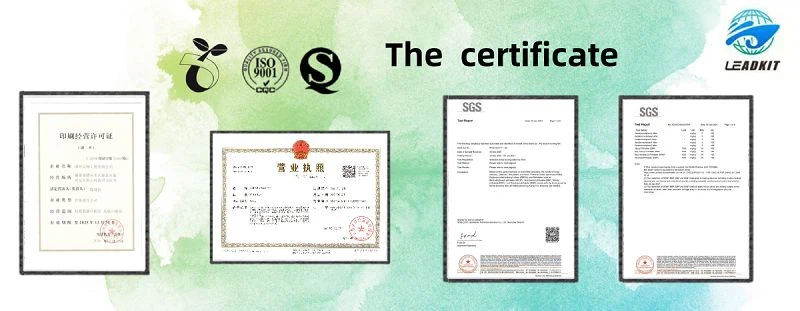
- Certified compostable materials
- Load-based performance testing
- Market-specific compliance guidance
We focus on application-driven material selection, not generic material claims.
PLA, PBAT, and corn starch-based materials serve distinct and complementary roles in compostable packaging. The best-performing solutions rely on engineered blends, not single-material approaches.
Understanding these differences allows buyers to balance performance, cost, and compliance effectively.
Our Factory
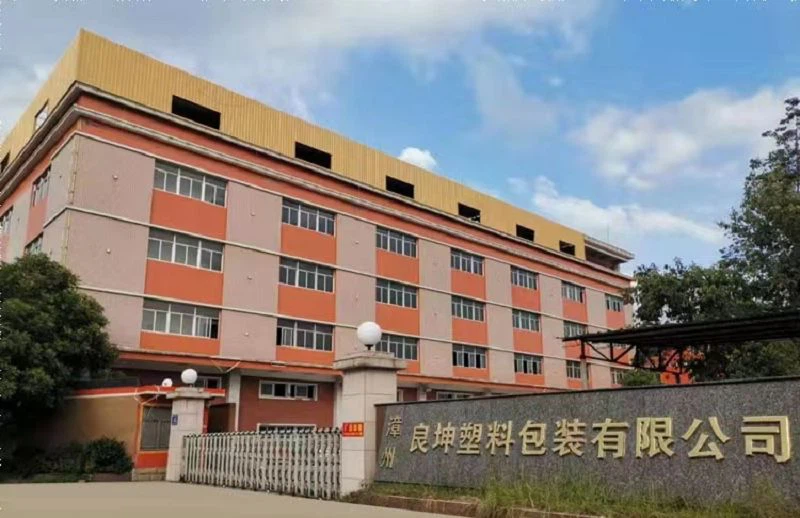
LeadKit is located in the China beautiful city-Xiamen. As a global supplier in the plastic products, We Have Excellent Designers and Sale Team, Providing OEM and ODM service for global clients, designing and creating the most comfortable and suitable plastic products as per custom-made requirement with our experience and technique. Leadkit is to create added value for customers around the world.
Our Certificate
References
- EN 13432 – Packaging Recoverable Through Composting
- ASTM D6400 – Compostable Plastics
- ISO 17088 – Compostable Material Specifications
- Biopolymer Processing & Performance Studies