Biodegradable Plastic Bags: The Smart Choice for Retail and Food Packaging in 2025
Nov 05, 2025
Quick Summary
As the global demand for sustainable packaging grows, biodegradable plastic bags have emerged as a practical bridge between functionality and eco-consciousness. This article explores how biodegradable materials are changing retail and food packaging, offering businesses a future-ready alternative that supports both branding and compliance.
1. Introduction: From Convenience to Responsibility
Plastic bags once symbolized ultimate convenience - affordable, strong, and everywhere.
However, mounting environmental concerns have made retailers and food brands rethink their packaging strategies.
In 2025, the focus has shifted from single-use plastic to biodegradable plastic bags - an innovation that combines strength, cost efficiency, and environmental responsibility.
2. What Are Biodegradable Plastic Bags?
Biodegradable plastic bags are made from plant-based polymers or biodegradable additives that allow them to naturally decompose under specific conditions such as composting or microbial activity.
Common materials include:
PLA (Polylactic Acid) – derived from corn starch
PBAT (Polybutylene Adipate Terephthalate) – flexible and compostable
Starch-based blends – ideal for food-contact packaging
These materials maintain the same usability as conventional PE or PP bags - making them ideal for supermarkets, takeaways, bakeries, and fashion retailers.


3. Why Businesses Are Switching to Biodegradable Plastic Bags
a. Compliance with Environmental Regulations
Many regions, including the EU and parts of Asia, are tightening restrictions on single-use plastics. Biodegradable bags help companies meet compliance standards without disrupting operations.
b. Strong Consumer Appeal
Eco-friendly packaging signals responsibility and builds trust among modern consumers who care about sustainability.
c. Performance and Versatility
Modern biodegradable bags are water-resistant, printable, and durable, making them suitable for a wide range of products.
d. Brand Differentiation
Using custom biodegradable plastic bags demonstrates a brand's environmental commitment - an increasingly powerful selling point in competitive retail markets.
4. Case Study: Leadkit® Helps Food Chain Achieve Green Compliance
Client background: A large bakery chain in Europe needed to replace non-recyclable plastic packaging with eco-friendly alternatives without sacrificing performance.
Problem: Traditional paper bags lacked oil resistance and transparency for product display.
Leadkit® solution:
Developed custom biodegradable plastic bags using a PLA+PBAT blend.
Enhanced clarity and grease resistance for bakery use.
Printed eco-certified logos and product branding using water-based inks.
Results:
Achieved 100% EU compostability compliance (EN 13432 certified).
Reduced packaging waste by 35%.
Increased brand trust and social media engagement from eco-conscious customers.
This project demonstrated how a well-engineered biodegradable solution can strengthen brand reputation while meeting sustainability targets.
5. Leadkit® As A Certified Supplier
Leadkit® specializes in producing eco-packaging solutions for global retail and food sectors.
Our product range includes:
Custom biodegradable plastic bags (PLA, PBAT, starch-based)
Compostable food packaging bags
Recycled and mono-material solutions
Custom logo printing and flexible thickness design
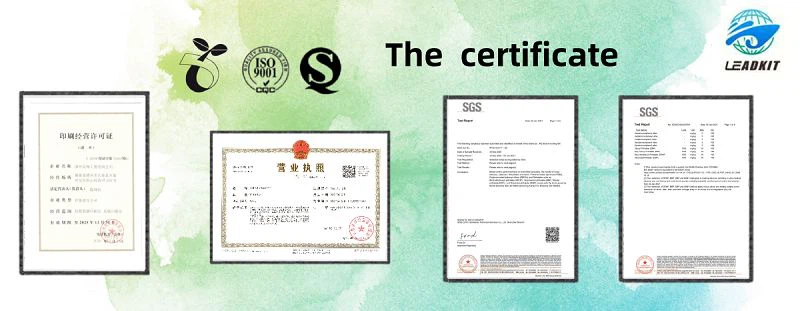
As an ISO-certified and SGS-tested supplier, Leadkit® ensures every bag aligns with both performance and environmental standards, giving your brand a sustainable edge.
6. Conclusion
Biodegradable plastic bags are not a trend - they're the future of responsible packaging.
They deliver the same protection and usability as conventional plastics, with a reduced environmental footprint that aligns with evolving consumer values and regulatory demands.
By partnering with Leadkit®, brands can adopt custom biodegradable packaging that reflects innovation, quality, and genuine sustainability.
References
European Bioplastics Market Data 2025
UN Environment Programme – Sustainable Packaging Report
Leadkit® Internal Testing Data – Compostable Bag Durability (2024–2025)