


Description
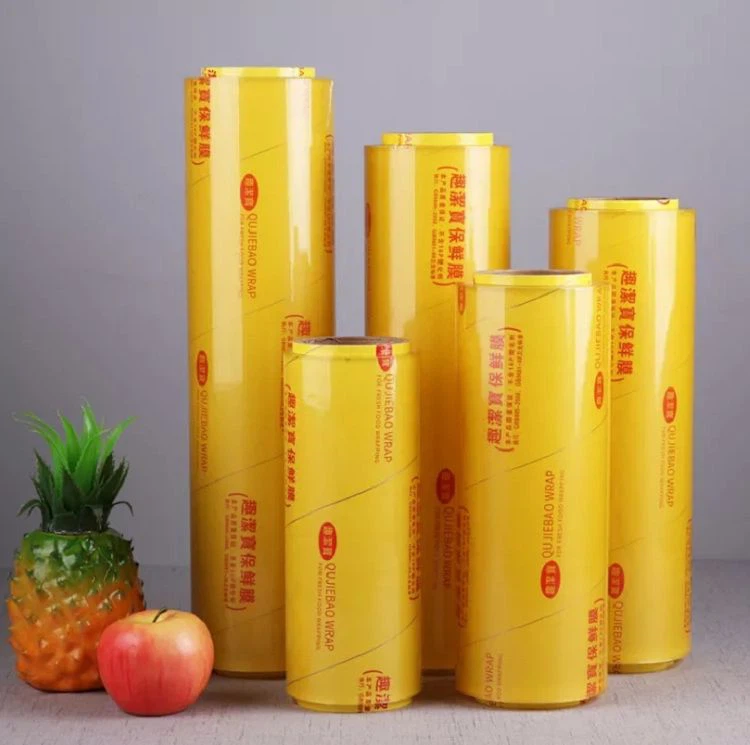
Plastic food Film, also known as cling film or plastic wrap, is a thin, transparent material that has become an indispensable tool in both domestic kitchens and commercial food services. This versatile product is primarily used to wrap and preserve food, helping to extend the shelf life of perishable items and maintain their freshness for longer periods. The widespread use of plastic film can be attributed to its convenience, cost-effectiveness, and the significant benefits it offers in terms of food safety and preservation.

Characteristics of Food Film
Material Composition: Plastic film is typically made from polyvinyl chloride (PVC) or low-density polyethylene (LDPE). PVC-based films are known for their flexibility, clinginess, and transparency, making them ideal for wrapping a variety of food items. LDPE films, on the other hand, offer superior strength and are often used for heavier or more robust wrapping needs. Both materials are food-safe and compliant with health regulations for food contact.
Transparency and Flexibility: One of the defining features of food plastic film is its high level of transparency, allowing consumers to easily see the contents of the wrapped items. This is particularly useful in both home and commercial settings where quick identification of food items is necessary. Additionally, the film's flexibility enables it to conform tightly to the shape of the food or container, providing an airtight seal that helps to preserve freshness.
Self-Adhesive Properties: film Plastic food is designed to be self-adhesive, which means it can stick to itself without the need for additional adhesives or fasteners. This property makes it incredibly easy to use, as it can be quickly and securely wrapped around food items or containers, ensuring a tight seal that keeps air and contaminants out.
Thickness and Durability: The thickness of plastic film can vary depending on its intended use. Thinner films are generally used for everyday household wrapping, while thicker, more durable films are used in commercial kitchens and food processing facilities where a stronger wrap is necessary to protect the food during storage and transport. Despite its thinness, food film is remarkably durable and resistant to tearing, providing reliable protection for a wide range of food items.
Benefits of Plastic Film
Extended Shelf Life: By providing a protective barrier against air, moisture, and contaminants, plastic film significantly extends the shelf life of perishable items. This is particularly important for fresh produce, meats, and dairy products, which can spoil quickly if exposed to the elements. The airtight seal created by the film helps to maintain the food's natural moisture and prevents the growth of bacteria and mold.
Preservation of Freshness: food Plastic helps to preserve the freshness, flavor, and nutritional value of food by preventing exposure to air and moisture. This is essential for maintaining the quality of leftovers, pre-prepared meals, and opened food packages. By keeping food fresh for longer, food film reduces waste and ensures that food remains enjoyable and safe to eat.
Convenience and Versatility: One of the main advantages of plastic film is its ease of use. It can be quickly and efficiently applied to food items and containers, making it a convenient solution for busy households and commercial kitchens. Its versatility means it can be used to wrap everything from sandwiches and snacks to large cuts of meat and bulk food items. Additionally, food film can be used in conjunction with other food storage methods, such as refrigeration and freezing, to provide an extra layer of protection.
Cost-Effectiveness: food film is an affordable food packaging solution that offers excellent value for money. Its ability to extend the shelf life of food and reduce waste means that households and businesses can save money by making the most of their food purchases. Furthermore, because plastic film is available in various sizes and formats, it is possible to choose the most cost-effective option for specific needs.

Applications of Plastic Film
Domestic Use: In households, food film is commonly used to wrap leftovers, cover bowls and plates, and store pre-prepared meals. It is also useful for wrapping individual portions of food for lunchboxes and snacks. The ease of use and effectiveness of plastic film make it a staple in most kitchens, helping families to keep their food fresh and reduce waste.
Commercial Kitchens and Food Services: In commercial settings, such as restaurants, catering services, and food processing facilities, food film plays a crucial role in food safety and hygiene. It is used to wrap and protect ingredients, cover prepared dishes, and store bulk food items. The film's ability to create an airtight seal ensures that food remains fresh and uncontaminated, which is essential for maintaining high standards of food quality and safety.
Retail and Supermarkets: Supermarkets and retail food stores use plastic film to package fresh produce, meats, cheeses, and baked goods. The film's transparency allows customers to see the quality of the products, while its protective properties ensure that the food remains fresh until it reaches the consumer. Pre-packaged items wrapped in plastic film are convenient for shoppers and help to reduce food waste in retail settings.
Food Transportation and Storage: During transportation and storage, food film provides an extra layer of protection for perishable items. It helps to prevent damage and spoilage by keeping food items securely wrapped and protected from environmental factors such as temperature changes and humidity. This is particularly important for the distribution of fresh produce, meats, and other perishable goods that require careful handling to maintain their quality.

Plastic food Film is a versatile and essential tool in both domestic and commercial food preservation. Its ability to extend the shelf life of perishable items, maintain freshness, and provide convenience and cost-effectiveness makes it a popular choice for food packaging.


