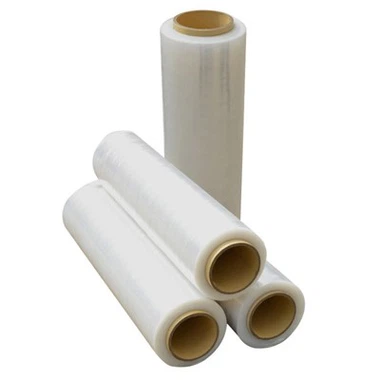
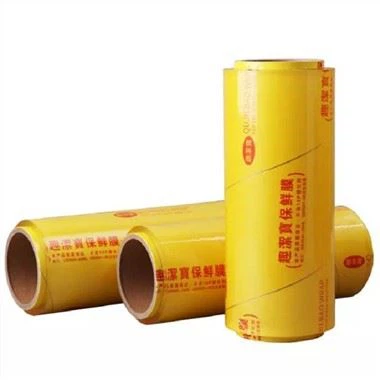
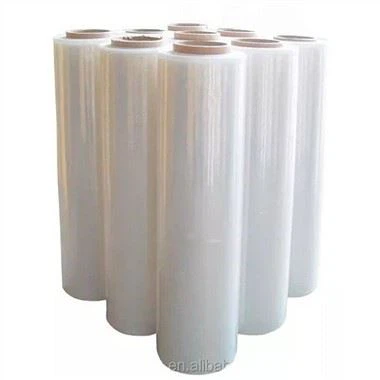
food packaging film
Use:hand roll/machine roll Product name:Stretch film Application:Package Color:Customized
Description
Xiamen Leadkit Group Co., Ltd. is one of the most reliable manufacturers and suppliers of food packaging film in China, also supports customized service. With abundant experience, we warmly welcome you to wholesale cheap food packaging film from our factory.
### The Integral Role of Food Packaging Film in the Modern Food Industry
#### Introduction to Food Packaging Films
Food packaging film is an essential component of the food industry, serving as a critical barrier that protects food products from a range of environmental factors. These films are crucial not only for maintaining the safety and freshness of food during transportation and storage but also for ensuring that food products reach consumers in optimal condition. The evolution of food packaging technology has significantly enhanced the way we preserve and consume food, contributing to public health and reducing food waste.
#### Regulatory and Safety Considerations
The safety of food packaging materials is strictly regulated to ensure that they do not pose any risk to consumer health. Regulatory bodies such as the U.S. Food and Drug Administration (FDA), the European Food Safety Authority (EFSA), and other national agencies set guidelines and standards for materials used in food contact applications. These regulations cover aspects such as:
1. **Migration Limits**: Regulations specify the maximum allowable levels of substances that can migrate from packaging materials into food. These limits are set based on toxicological assessments to ensure consumer safety.
2. **Good Manufacturing Practices (GMP)**: Manufacturers of food packaging films must adhere to GMP to ensure that products are consistently produced and controlled according to quality standards. This includes hygiene practices, quality control measures, and traceability.
3. **Labeling and Compliance**: Packaging films must be labeled appropriately to indicate their suitability for food contact. Compliance with regulations is demonstrated through testing and certification, which helps in maintaining consumer trust and confidence.


#### Materials Used in Food Packaging Films
Food packaging films are made from a variety of materials, each selected for its unique properties that suit different types of food products and storage conditions. The primary materials include:
1. **Plastic**: Plastic is the most commonly used material in food packaging films due to its versatility, durability, and cost-effectiveness. Various types of plastics, such as polyethylene (PE), polypropylene (PP), polyvinyl chloride (PVC), and polyethylene terephthalate (PET), are used based on their specific properties. For instance, PE is known for its flexibility and moisture barrier properties, while PET is valued for its strength and clarity.
2. **Paper**: Paper-based films are often used for packaging dry food items. They are biodegradable and environmentally friendly, which makes them an attractive option for sustainable packaging solutions. However, paper films generally require a coating or lamination with plastic or wax to enhance their barrier properties against moisture and grease.
3. **Aluminum**: Aluminum films provide excellent barrier properties against light, oxygen, and moisture, making them ideal for packaging products that are sensitive to environmental factors, such as dairy products, coffee, and snacks. Aluminum is also highly recyclable, adding to its appeal from a sustainability perspective.
4. **Biodegradable Materials**: In response to increasing environmental concerns, biodegradable and compostable films made from materials such as polylactic acid (PLA), cellulose, and starch blends are gaining popularity. These materials break down more easily in the environment, reducing the impact of plastic waste.

#### Functional Properties of Food Packaging Films
High-quality food packaging films are designed to provide an airtight seal, which is crucial for extending the shelf life of food products. The ability to create a secure seal prevents the ingress of air, moisture, and contaminants, thereby reducing the risk of spoilage and maintaining the quality of the food. Key functional properties of food packaging films include:
1. **Barrier Protection**: Effective food packaging films offer robust barrier properties against gases (such as oxygen and carbon dioxide), moisture, light, and microbes. These barriers help in preserving the taste, texture, and nutritional value of food products. For example, vacuum-sealed packaging removes air from the package, significantly slowing down the oxidation process and extending the shelf life of perishable items like meats and cheeses.
2. **Mechanical Strength**: Food packaging films must possess sufficient mechanical strength to withstand the rigors of transportation and handling. This includes resistance to tearing, puncturing, and other forms of physical damage. Multi-layer films, which combine different materials to leverage their individual strengths, are often used to enhance durability.
3. **Flexibility and Formability**: The flexibility of packaging films is important for accommodating various shapes and sizes of food products. Flexible films can be easily formed into pouches, bags, wraps, and other configurations, providing versatility in packaging applications.
4. **Transparency and Aesthetics**: Clear packaging films allow consumers to see the product inside, which can be a critical factor in purchasing decisions. Transparency also helps in identifying any spoilage or contamination before the package is opened. Additionally, attractive packaging design and printability of films can enhance brand visibility and appeal on store shelves.
#### Environmental Considerations and Innovations
The environmental impact of food packaging is a growing concern, leading to significant advancements in sustainable packaging solutions. Innovations in the field of food packaging films aim to reduce the ecological footprint of packaging materials. Some notable trends and developments include:
1. **Recyclable and Recycled Materials**: Increasing the use of recyclable materials and incorporating recycled content into packaging films are major steps towards sustainability. For instance, PET films made from post-consumer recycled (PCR) plastics are becoming more common. These efforts help in closing the loop of the plastic lifecycle, reducing reliance on virgin materials.
2. **Biodegradable and Compostable Films**: As mentioned earlier, biodegradable and compostable films made from natural polymers are designed to degrade more quickly and safely in the environment. These materials offer a promising alternative to traditional plastics, particularly for single-use applications.
3. **Active and Intelligent Packaging**: Active packaging involves incorporating substances that can interact with the food or its environment to extend shelf life, such as oxygen scavengers or antimicrobial agents. Intelligent packaging, on the other hand, includes features like freshness indicators and temperature sensors that provide real-time information about the condition of the food. These innovations not only enhance food safety but also reduce waste by allowing better inventory management.
4. **Reduction in Material Use**: Advances in material science and engineering have enabled the production of thinner yet stronger films, which use fewer resources while maintaining performance. Lightweighting initiatives aim to minimize the amount of material required without compromising the protective qualities of the packaging.

#### The Future of Food Packaging Films
The future of food packaging films is likely to be shaped by ongoing technological advancements, increasing environmental awareness, and evolving consumer preferences. Key areas of focus for future developments include:
1. **Enhanced Sustainability**: Continued efforts to develop and implement more sustainable materials and processes will be paramount. This includes not only improving the recyclability and biodegradability of packaging films but also exploring alternative materials that have a lower environmental impact throughout their lifecycle.
2. **Smart Packaging Technologies**: The integration of smart technologies into packaging films is expected to grow, providing greater functionality and convenience. Innovations such as RFID tags, QR codes, and other digital features can enhance supply chain transparency, enable better tracking of food products, and offer interactive consumer experiences.
3. **Customization and Personalization**: Advances in printing and manufacturing technologies will allow for greater customization and personalization of packaging. This can include tailored packaging solutions for specific food products, limited-edition designs, and personalized marketing messages.
4. **Health and Wellness Trends**: As consumers become more health-conscious, there will be a greater demand for packaging that supports and promotes healthier food choices. This may include packaging that preserves the nutritional quality of food, uses natural and safe materials, and provides clear information about the product's health benefits.
5. **Global Collaboration and Standards**: The globalization of the food industry necessitates greater collaboration and harmonization of standards across different regions. International standards and best practices will help ensure the safety, quality, and sustainability of food packaging films on a global scale.
### Conclusion
Food packaging film is a vital element of the food industry, playing an indispensable role in preserving food safety, quality, and freshness. The diverse range of materials and technologies used in packaging films offers numerous benefits, from extending shelf life to enhancing consumer appeal. As the industry continues to evolve, driven by technological innovations and environmental considerations, the future of food packaging films promises to be more sustainable, intelligent, and responsive to the needs of both consumers and the planet. The ongoing advancements in this field will not only improve the way we store and consume food but also contribute to a more sustainable and efficient food supply chain.

Hot Tags: food packaging film, China food packaging film manufacturers, suppliers, factory, plastic film