Greenhouse Plastic Wrap
Feature:Moisture Proof Hardness:Soft Processing Type:Casting Transparency:Transparent Place of Origin:Fujian, China Brand Name:Liangkun/OEM
Description
|
Regular Size
|
Paper core
|
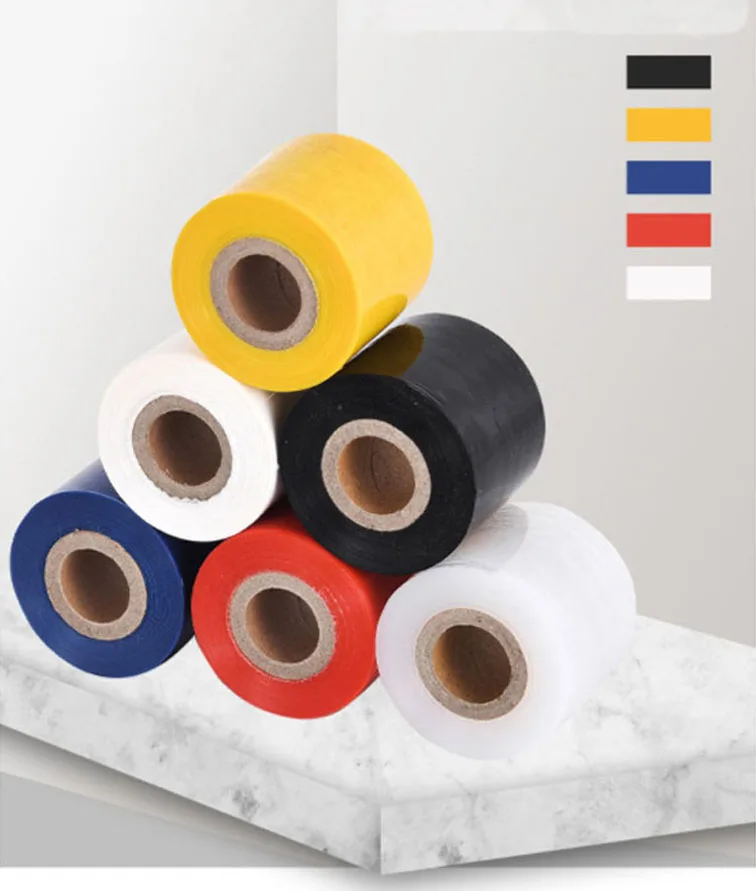
Color
|
Packing Detail
|
|
40cm x 17mic x 200m
|
3-inch
|
Clear
|
6 Roll /Carton
|
|
50cm x 17mic x 200m
|
3-inch
|
Clear
|
6 Roll /Carton
|
|
50cm x 17mic x 350m
|
3-inch
|
Clear
|
4 Roll /Carton
|
|
50cm x 20mic x 155m
|
3-inch
|
Clear
|
6 Roll /Carton
|
|
50cm x 20mic x 250m
|
3-inch
|
Clear
|
6 Roll /Carton
|
|
50cm x 23mic x 250m
|
3-inch
|
Clear
|
6 Roll /Carton
|
|
50cm x 23mic x 400m
|
3-inch
|
Clear
|
4 Roll /Carton
|
|
Accept customer size and color customization
|
|||
**Greenhouse Plastic Wrap**
**Introduction**
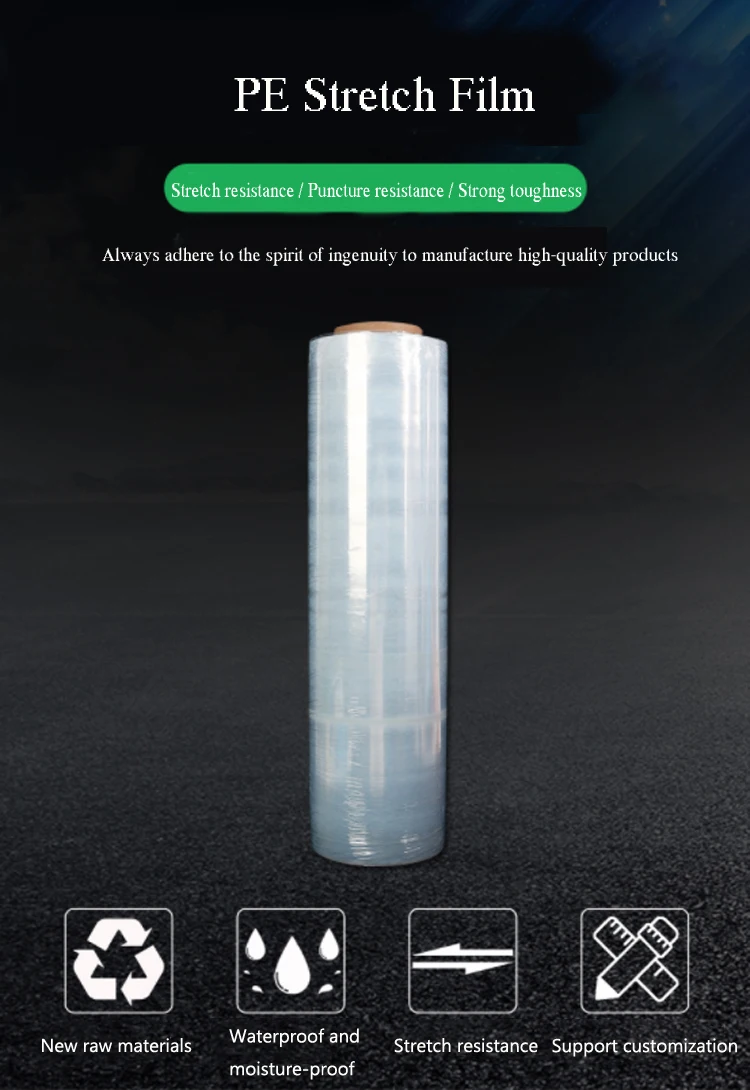
In the world of modern agriculture and horticulture, one of the key innovations that have significantly impacted productivity and efficiency is the use of greenhouse plastic wrap. This specialized material has become indispensable for gardeners, farmers, and horticulturists who seek to create controlled environments for their plants. Greenhouse plastic wrap offers numerous benefits that facilitate the growth of a wide variety of plants by protecting them from adverse weather conditions, pests, and other environmental factors. In this comprehensive guide, we will explore the various features and advantages of greenhouse plastic wrap, with a particular focus on its moisture-proof capabilities, softness, casting processing type, and transparency.
**Features of Greenhouse Plastic Wrap**
1. **Moisture Proof**
One of the most critical features of greenhouse plastic wrap is its moisture-proof property. Moisture control is essential in maintaining an optimal growing environment within a greenhouse. Excess moisture can lead to mold growth, root rot, and other fungal diseases that can devastate plant populations. Conversely, insufficient moisture can cause plants to dry out and suffer from water stress.
Greenhouse plastic wrap is designed to create a barrier that prevents external moisture from entering the greenhouse while also retaining the necessary humidity levels inside. This balance ensures that plants receive the right amount of moisture for healthy growth. The moisture-proof characteristic of the wrap is particularly beneficial in regions with high rainfall or fluctuating humidity levels, providing a stable and controlled environment for plant cultivation.
2. **Softness**
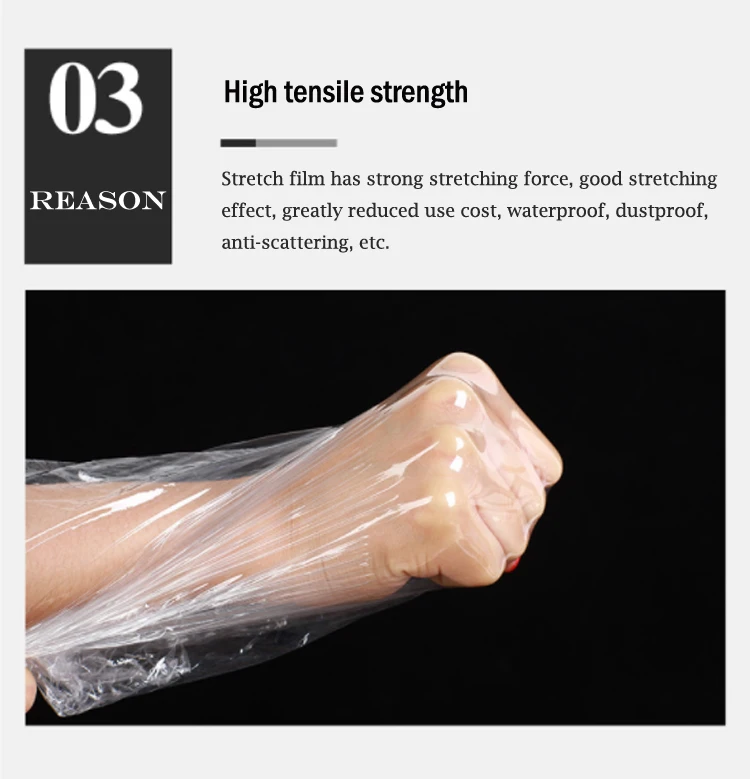
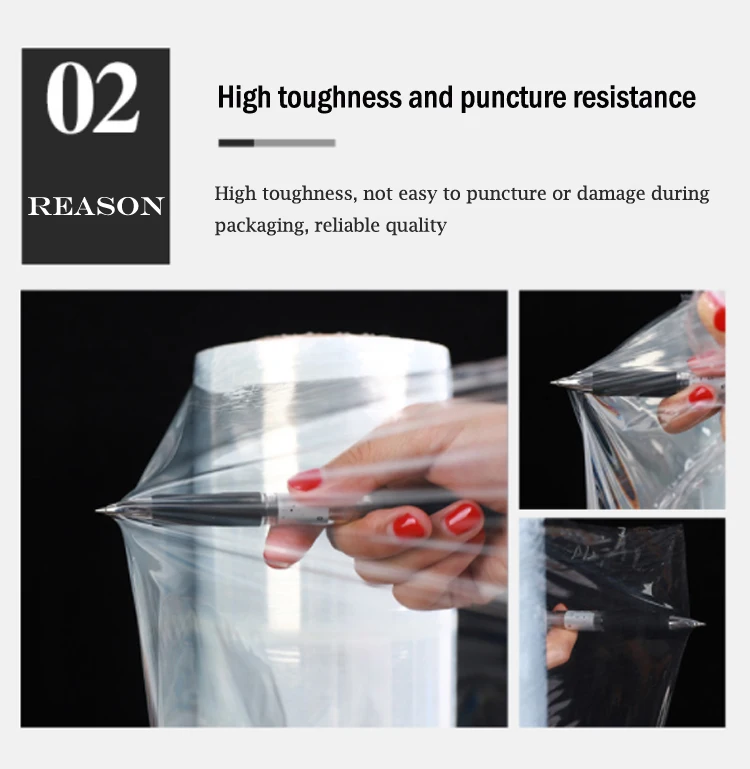
The softness of greenhouse plastic wrap is another significant feature that contributes to its effectiveness. Unlike rigid materials, soft plastic wrap is flexible and can easily conform to the shape of the greenhouse structure. This flexibility allows for easy installation and reduces the risk of damage during application. Additionally, the softness of the material minimizes the chances of tearing or puncturing, which can compromise the greenhouse's protective barrier.
The soft nature of the plastic wrap also means that it is gentle on plants. When used to cover low tunnels or smaller structures, the wrap can come into contact with plant leaves and stems without causing damage. This is particularly important for delicate plants that might be easily bruised or broken by harsher materials.
3. **Processing Type: Casting**
The processing type of greenhouse plastic wrap, specifically casting, plays a crucial role in determining its quality and performance. Casting is a manufacturing process where the plastic is melted and then poured into a mold to create a thin, uniform sheet. This method ensures that the plastic wrap has consistent thickness and uniformity, which is essential for providing reliable protection and insulation.
Casting also allows for the incorporation of various additives and treatments that enhance the plastic wrap's properties. For example, UV stabilizers can be added to protect the plastic from degradation caused by prolonged exposure to sunlight. This extends the lifespan of the plastic wrap, making it a cost-effective choice for long-term use.
4. **Transparency**
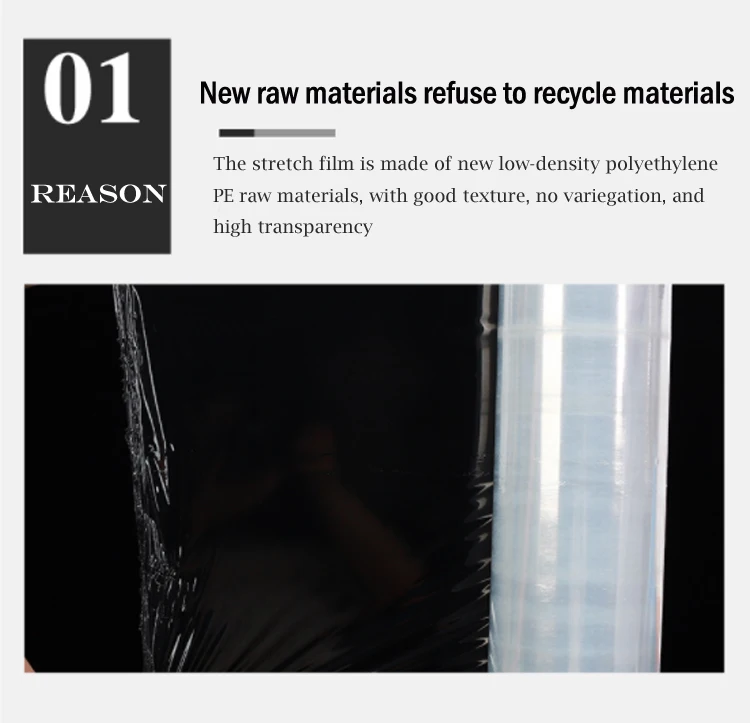
Transparency is a vital feature of greenhouse plastic wrap, as it directly impacts the amount of sunlight that penetrates the greenhouse. Sunlight is essential for photosynthesis, the process by which plants convert light energy into chemical energy to fuel their growth. A transparent plastic wrap ensures that an adequate amount of sunlight reaches the plants, promoting healthy and vigorous growth.
The level of transparency can vary depending on the specific needs of the plants being cultivated. Some plastic wraps are designed to diffuse light, scattering it more evenly throughout the greenhouse. This helps to reduce the risk of hotspots and ensures that all plants receive a uniform amount of light. Other wraps may be more transparent, allowing maximum light penetration for plants that require full sunlight.
**Advantages of Using Greenhouse Plastic Wrap**
1. **Enhanced Plant Growth**
By creating a controlled environment, greenhouse plastic wrap significantly enhances plant growth. The ability to regulate temperature, humidity, and light levels allows growers to provide optimal conditions for their plants. This leads to faster growth rates, higher yields, and improved plant health. Additionally, the protection from adverse weather conditions such as frost, heavy rain, and strong winds ensures that plants can thrive year-round.
2. **Extended Growing Seasons**
Greenhouse plastic wrap enables growers to extend their growing seasons, allowing for the cultivation of plants that might not typically thrive in certain climates. By providing a stable and controlled environment, growers can start planting earlier in the spring and continue harvesting later into the fall. This extended growing period can lead to increased productivity and profitability for farmers and gardeners.
3. **Pest and Disease Control**
One of the primary benefits of using greenhouse plastic wrap is the protection it offers against pests and diseases. The physical barrier created by the wrap prevents insects, birds, and other pests from entering the greenhouse and damaging plants. Additionally, the controlled environment reduces the risk of disease outbreaks by minimizing exposure to pathogens. This leads to healthier plants and reduces the need for chemical pesticides and treatments, promoting more sustainable and eco-friendly growing practices.
4. **Energy Efficiency**
Greenhouse plastic wrap contributes to energy efficiency by providing excellent insulation. During colder months, the wrap helps to retain heat within the greenhouse, reducing the need for supplemental heating. In warmer months, the wrap can be used in conjunction with ventilation systems to help regulate temperature, minimizing the need for air conditioning. This energy efficiency translates to cost savings for growers and reduces the environmental impact of greenhouse operations.
5. **Versatility**
The versatility of greenhouse plastic wrap makes it suitable for a wide range of applications. It can be used for traditional greenhouses, low tunnels, high tunnels, and other protective structures. The wrap is available in various sizes and thicknesses, allowing growers to select the best option for their specific needs. Additionally, greenhouse plastic wrap can be customized with features such as anti-drip coatings, infrared additives, and light-diffusing properties to further enhance its performance.
**Conclusion**
Greenhouse plastic wrap is a vital tool for modern agriculture and horticulture, offering numerous benefits that contribute to improved plant growth, extended growing seasons, pest and disease control, energy efficiency, and versatility. Its moisture-proof, soft, and transparent properties, combined with the high-quality casting processing method, make it an essential component for creating optimal growing environments. Whether you are a commercial farmer, a home gardener, or a horticultural enthusiast, greenhouse plastic wrap can help you achieve better results and maximize the potential of your plants.