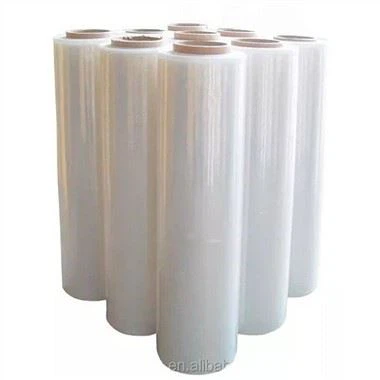
Eco Friendly Shrink Wrap
Size:100m-1500m (Customized) Thickness:8 microns - 50 microns or customized Material:LLDPE Color/Printing:Clear, Black, Blue (Customized)
Description
Eco-Friendly Shrink Wrap: A Comprehensive Solution for Sustainable Packaging
Eco-friendly shrink wrap is revolutionizing the packaging industry by offering a sustainable alternative to traditional plastic wraps. This innovative material is designed to reduce waste and minimize environmental impact while providing superior protection for products. Made from biodegradable or recyclable materials, eco-friendly shrink wrap aligns with the growing demand for green packaging solutions. Here, we delve into the various aspects of eco-friendly shrink wrap, exploring its benefits, applications, and significance in the context of sustainability.
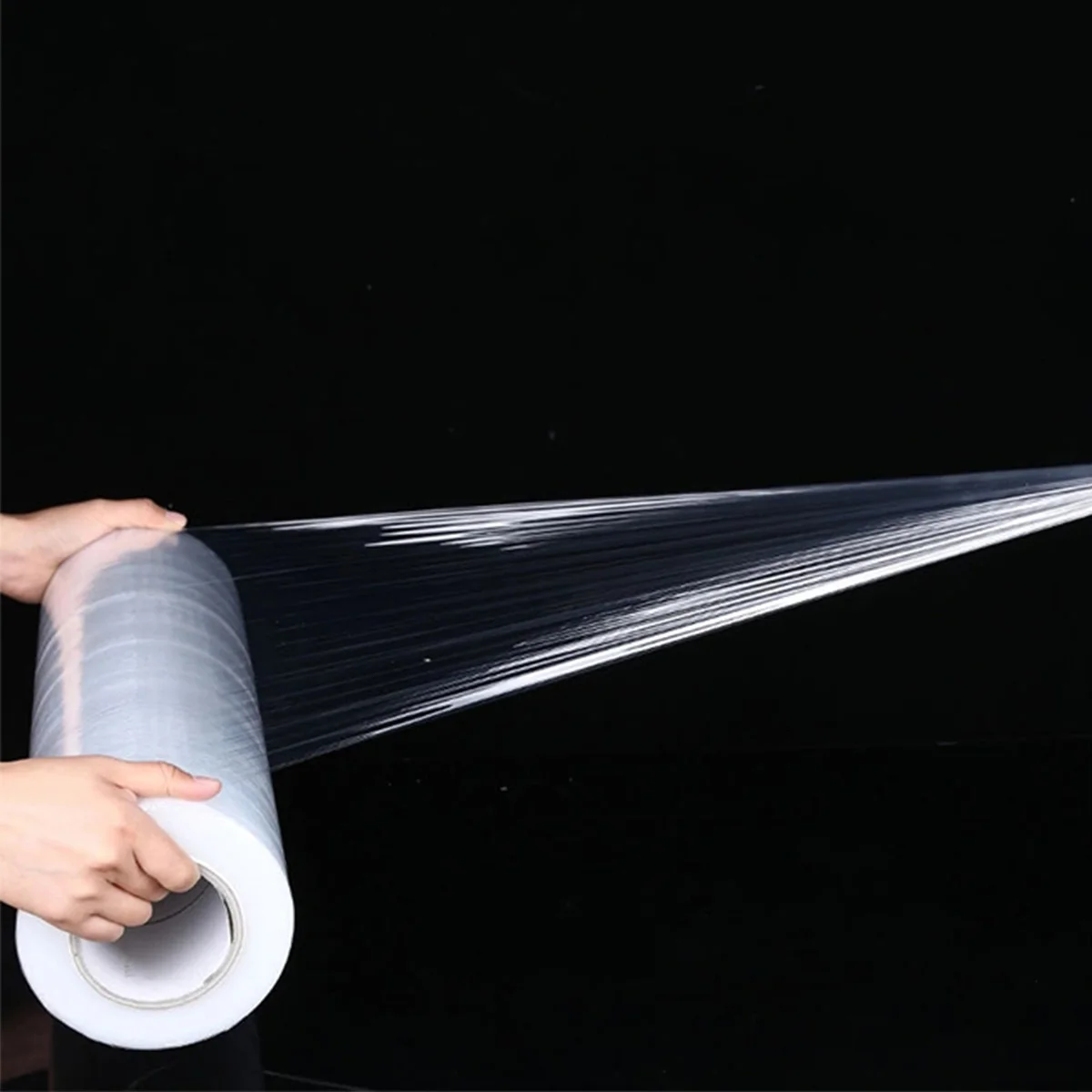
Understanding Eco-Friendly Shrink Wrap
Eco-friendly shrink wrap is manufactured from materials that are either biodegradable, compostable, or recyclable. Unlike conventional shrink wrap, which is typically made from polyvinyl chloride (PVC) or low-density polyethylene (LDPE), eco-friendly options use materials such as polylactic acid (PLA), polyhydroxyalkanoates (PHA), or recycled plastics. These materials are chosen for their lower environmental footprint and ability to break down more easily in natural environments or recycling facilities.
1. Biodegradable Materials: Biodegradable shrink wrap is designed to decompose naturally through the action of microorganisms. PLA, derived from renewable resources like corn starch or sugarcane, is a common biodegradable option. This type of shrink wrap decomposes into carbon dioxide, water, and biomass under industrial composting conditions, significantly reducing landfill waste.
2. Compostable Options: Compostable shrink wrap goes a step further by not only biodegrading but also contributing beneficial nutrients to the soil as it breaks down. These materials meet stringent compostability standards, ensuring they decompose within a specific time frame without leaving harmful residues.
3. Recyclable Shrink Wrap: Recyclable shrink wrap is made from materials that can be reprocessed and used to produce new products. This reduces the need for virgin plastic production and helps close the loop in the plastic life cycle. Recyclable options are particularly valuable in regions with well-established recycling infrastructures.
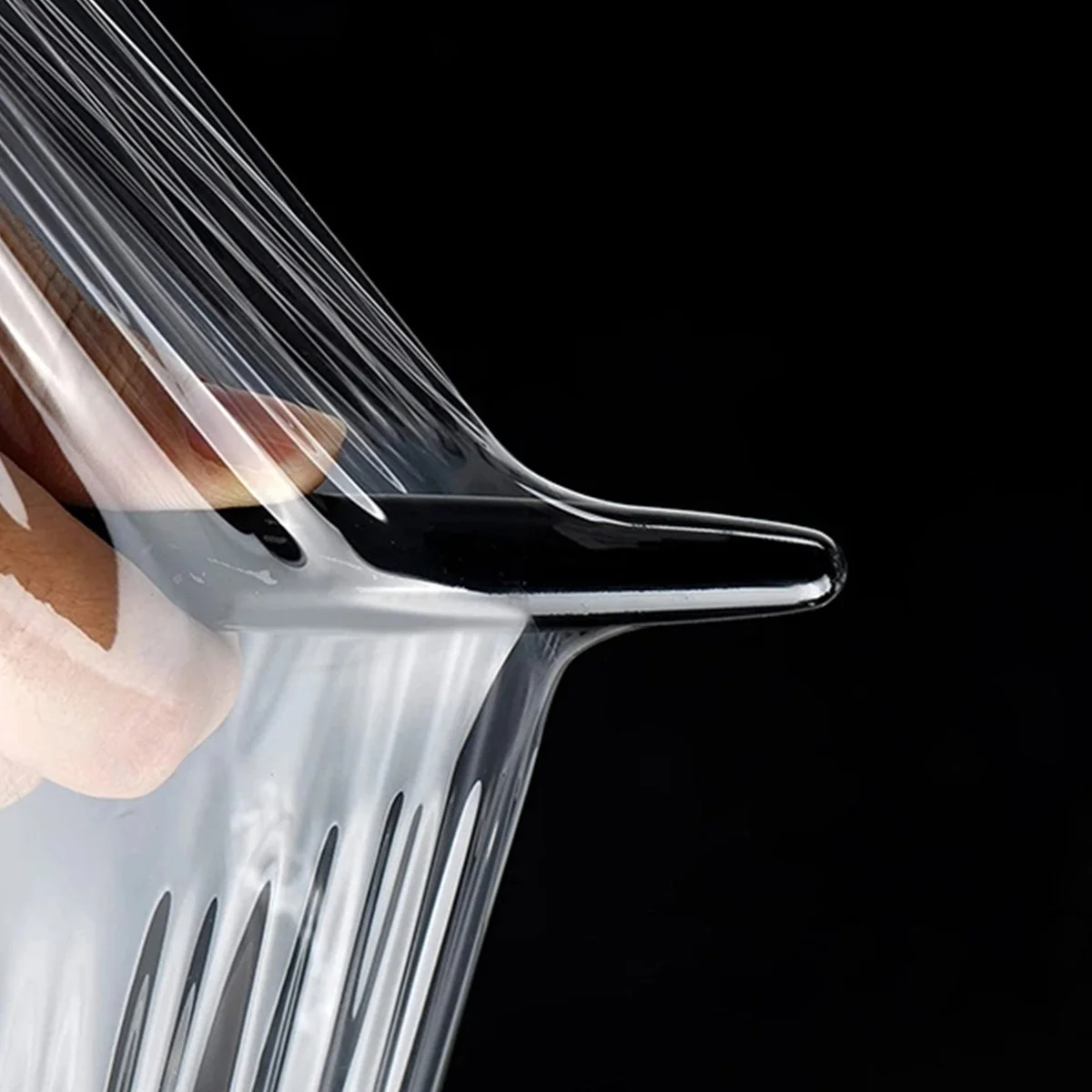
Benefits of Eco-Friendly Shrink Wrap
1. Environmental Impact: The primary advantage of eco-friendly shrink wrap is its reduced environmental impact. By using materials that break down more easily or can be recycled, this type of shrink wrap helps mitigate the problems associated with plastic pollution. It reduces the volume of waste that ends up in landfills and oceans, contributing to a cleaner and healthier environment.
2. Resource Efficiency: Eco-friendly shrink wrap often uses renewable resources, reducing dependence on fossil fuels. For instance, PLA is derived from agricultural products, which are renewable and can be sustainably sourced. This shift away from petroleum-based plastics supports the conservation of non-renewable resources.
3. Carbon Footprint Reduction: Producing biodegradable or compostable shrink wrap generally requires less energy and emits fewer greenhouse gases compared to conventional plastics. Businesses that adopt eco-friendly shrink wrap can significantly lower their carbon footprint, aligning with global efforts to combat climate change.
4. Regulatory Compliance: Many regions are implementing stricter regulations on plastic use and waste management. Eco-friendly shrink wrap helps businesses comply with these regulations by offering a sustainable packaging solution. Using environmentally friendly materials can also improve a company's reputation and customer loyalty, as consumers increasingly prefer brands that prioritize sustainability.
5. Product Protection: Despite its eco-friendly nature, shrink wrap still provides excellent protection for products. It offers a tight seal that safeguards items from dust, moisture, and damage during transit. This ensures that products reach consumers in optimal condition, maintaining quality and reducing the likelihood of returns or replacements.
6. Cost-Effectiveness: Eco-friendly shrink wrap is becoming increasingly cost-competitive with traditional options. Advances in manufacturing technologies and growing demand for sustainable materials are driving down costs. Additionally, businesses can benefit from long-term savings through reduced waste disposal fees and improved operational efficiencies.
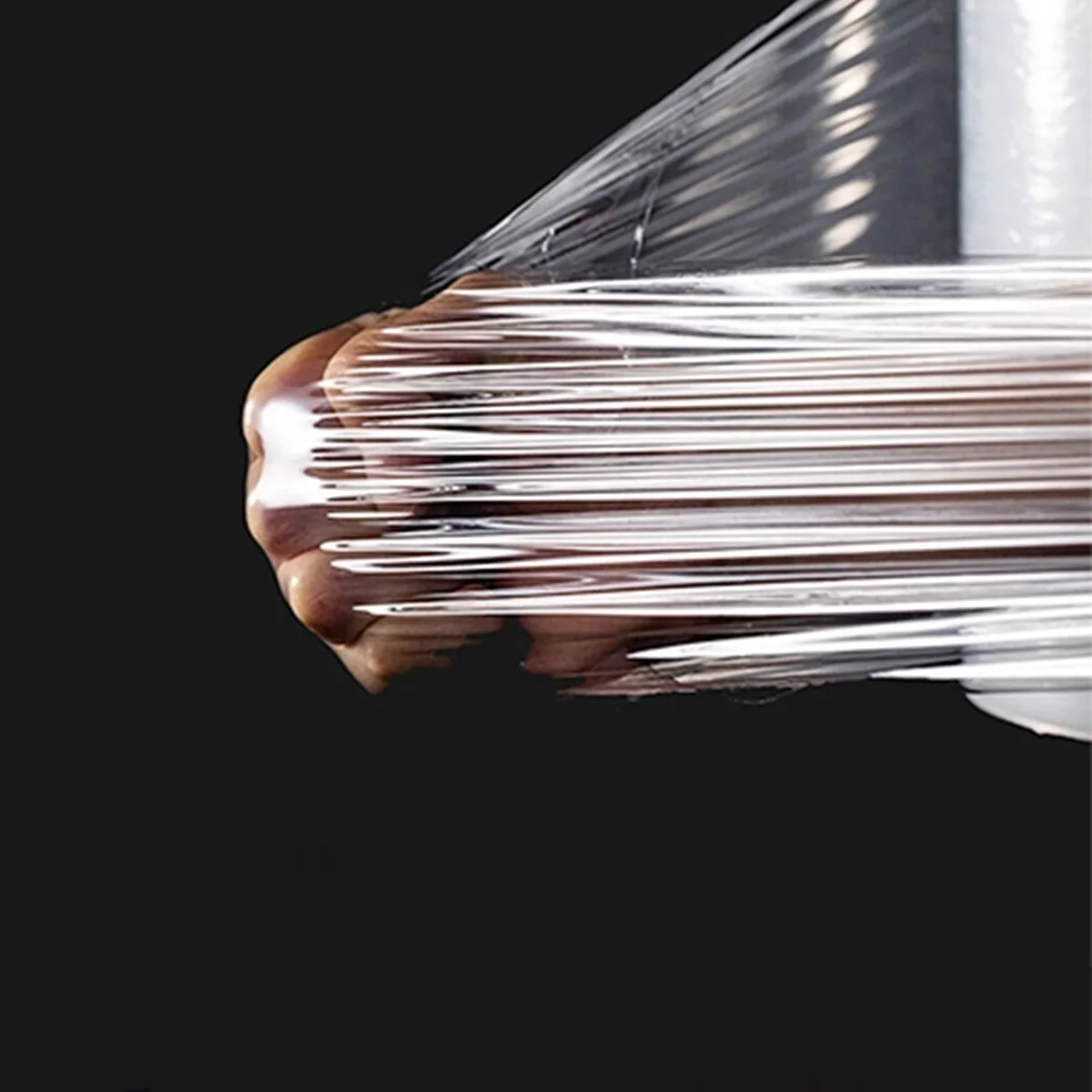
Applications of Eco-Friendly Shrink Wrap
Eco-friendly shrink wrap is versatile and can be used across various industries, including:
1. Food and Beverage: Shrink wrap is commonly used in the food and beverage industry to package items such as bottled drinks, canned goods, and perishable products. Eco-friendly versions ensure that packaging does not contribute to plastic pollution while maintaining food safety and freshness.
2. Retail and Consumer Goods: In the retail sector, shrink wrap is used to bundle products, protect merchandise during shipping, and enhance shelf appeal. Eco-friendly shrink wrap offers the same benefits while supporting a brand's sustainability goals.
3. Pharmaceuticals: Pharmaceutical products require secure and hygienic packaging. Eco-friendly shrink wrap meets these requirements and helps pharmaceutical companies reduce their environmental impact, which is increasingly important in an industry facing scrutiny over waste and sustainability.
4. Electronics: The electronics industry uses shrink wrap to protect delicate items from dust and moisture. Eco-friendly options provide the necessary protection while reducing the environmental footprint of packaging materials.
5. Industrial and Manufacturing: In industrial settings, shrink wrap is used to secure pallets and protect large items during transport. Eco-friendly shrink wrap offers durability and strength, ensuring that products are safely delivered without contributing to plastic waste.
Implementing Eco-Friendly Shrink Wrap in Business Operations
For businesses looking to transition to eco-friendly shrink wrap, several steps can facilitate a smooth and effective implementation:
1. Evaluate Packaging Needs: Understanding the specific requirements of your products is crucial. Consider factors such as size, weight, and fragility to select the most appropriate type of eco-friendly shrink wrap.
2. Source Reliable Suppliers: Partner with suppliers who specialize in sustainable packaging solutions. Ensure that they provide high-quality, certified eco-friendly shrink wrap that meets your standards.
3. Educate and Train Staff: Training staff on the proper use and benefits of eco-friendly shrink wrap can enhance efficiency and ensure successful implementation. Highlight the environmental advantages and how it aligns with the company's sustainability goals.
4. Monitor and Adjust: Regularly review the performance of eco-friendly shrink wrap in your operations. Gather feedback from employees and customers to identify areas for improvement and make necessary adjustments.
5. Communicate Sustainability Efforts: Promote your use of eco-friendly shrink wrap to customers and stakeholders. Transparency about your sustainability initiatives can enhance brand image and build customer loyalty.