


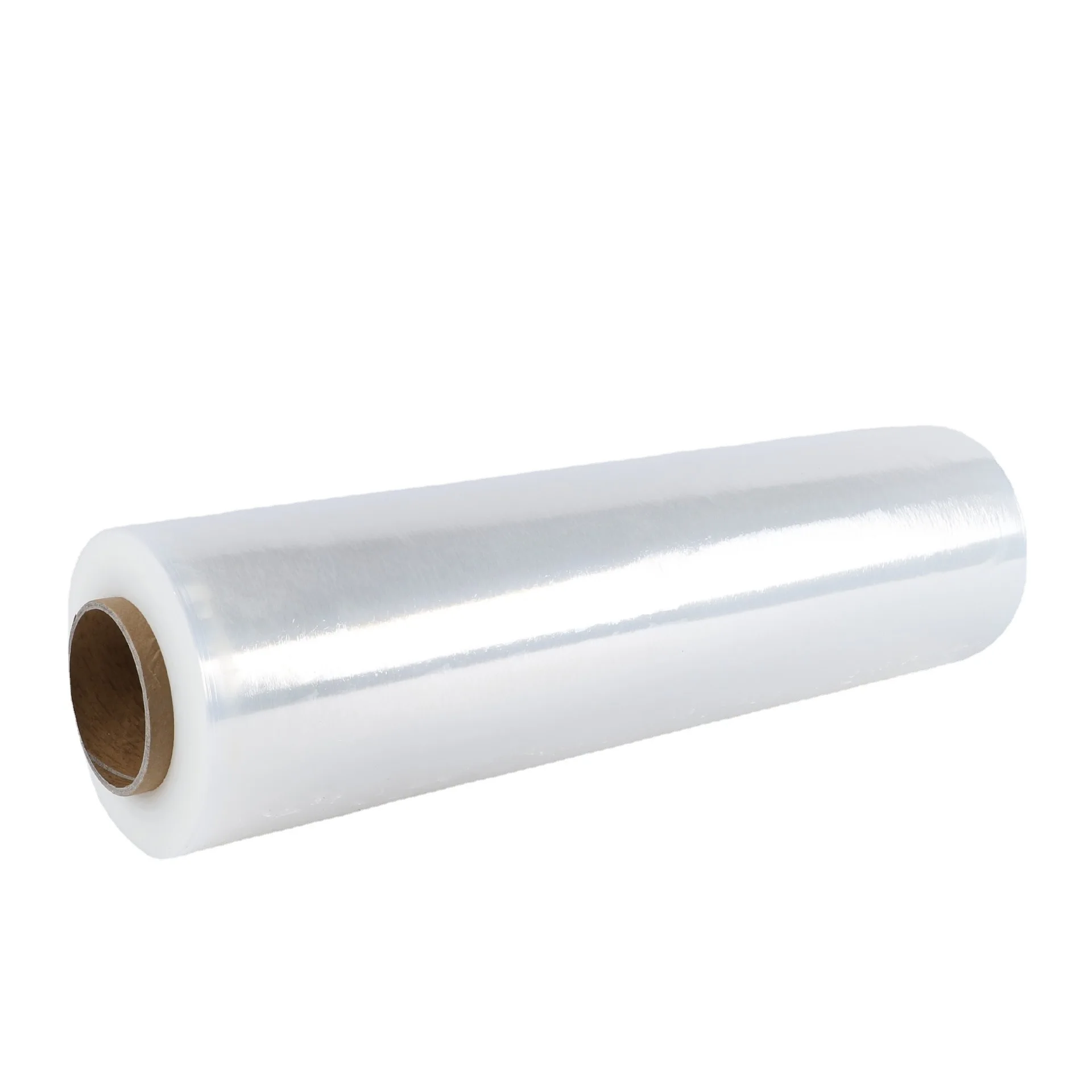
Clear Sheeting For Greenhouse plastic film
Usage:Packaging Film
Feature:Moisture Proof
Hardness:Soft
Processing Type:Casting
Transparency:Transparent
Description
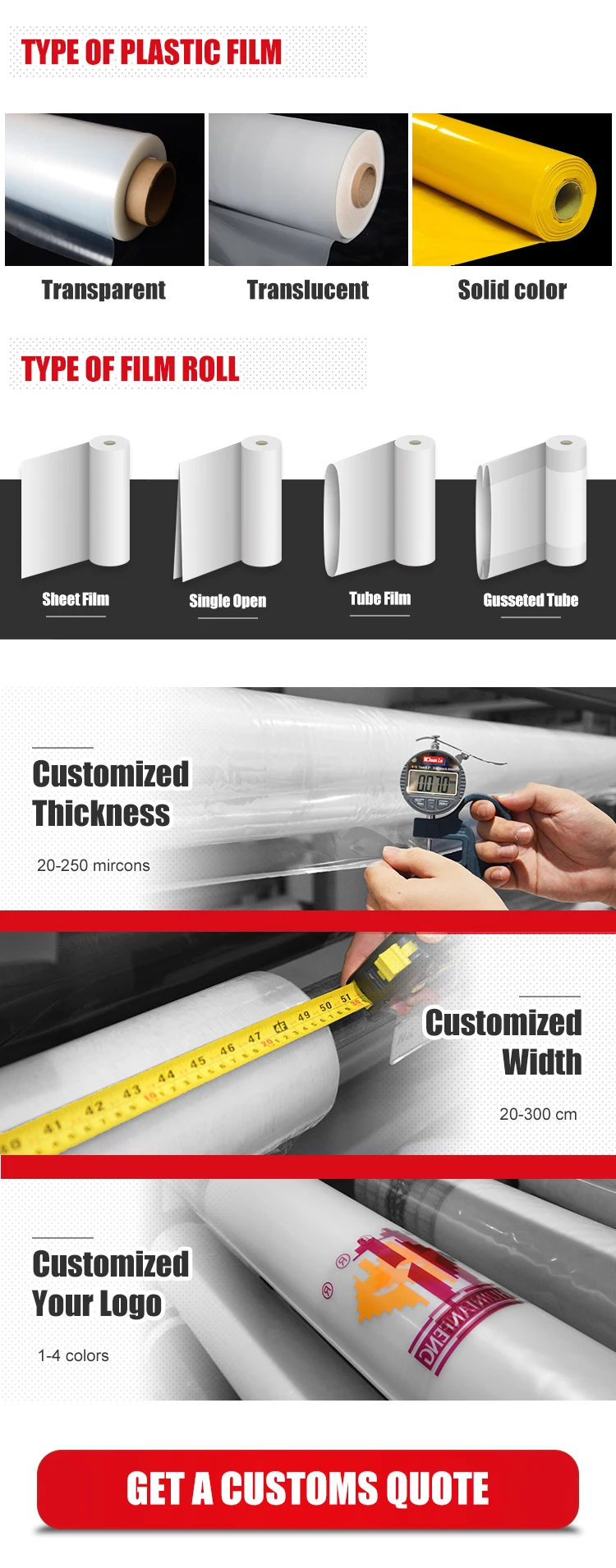
Xiamen Leadkit Group Co., Ltd. is one of the most reliable manufacturers and suppliers of clear sheeting for greenhouse plastic film in China, also supports customized service. With abundant experience, we warmly welcome you to wholesale cheap clear sheeting for greenhouse plastic film from our factory.
Clear sheeting for greenhouses, commonly known as greenhouse film or polyethylene sheeting, is a specialized type of plastic film designed to cover greenhouse structures. Its primary function is to create an optimal growing environment by allowing light to penetrate while shielding plants from adverse external conditions such as wind, rain, and pests. The quality and type of greenhouse sheeting selected are critical factors that directly impact the success and efficiency of greenhouse operations. This comprehensive analysis explores the characteristics, benefits, and considerations involved in choosing and utilizing clear sheeting for greenhouses.
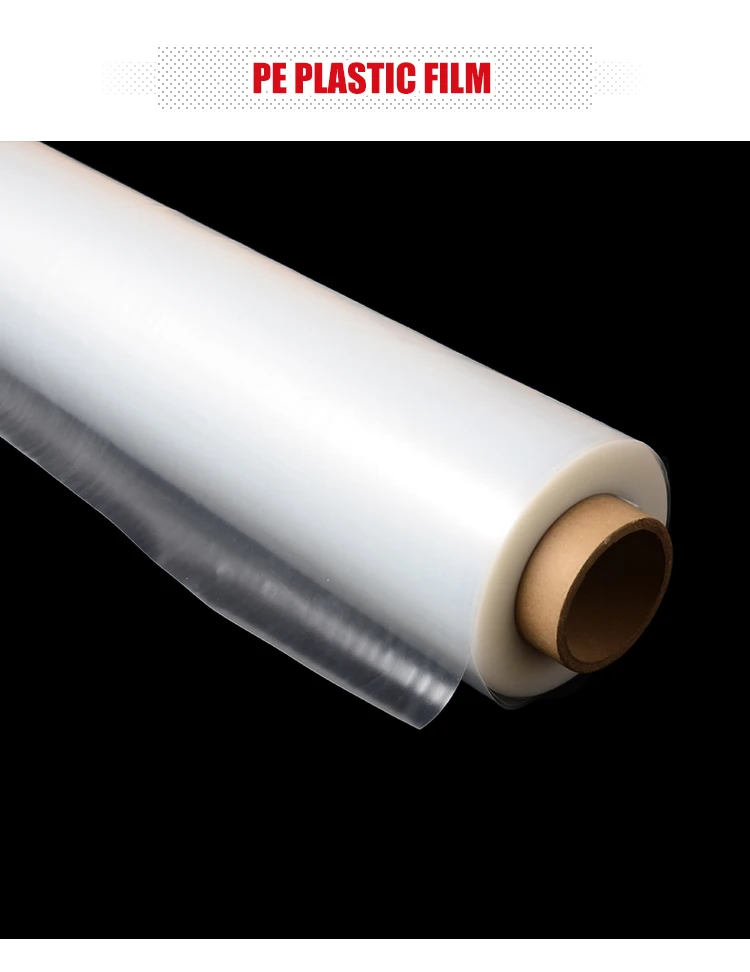
Characteristics of Clear Sheeting for Greenhouses
Clear sheeting is engineered to maximize light transmission, ensuring that plants inside the greenhouse receive ample sunlight necessary for photosynthesis. High-quality polyethylene sheeting typically offers light transmission rates of 85% to 95%, allowing sufficient natural light to reach the plants, which is essential for their growth and development. Some advanced films also diffuse light, which reduces shadows and promotes even light distribution, leading to healthier and more uniform plant growth.
Durability is a key feature of greenhouse sheeting. High-quality polyethylene sheeting is treated with UV inhibitors that protect the film from degradation caused by ultraviolet rays. This UV stabilization ensures that the sheeting remains effective for several years, typically lasting between 3 to 5 years depending on environmental conditions and maintenance practices. Durability also includes resistance to tearing, puncturing, and weather-related wear, making the sheeting robust enough to withstand harsh conditions.
Greenhouse sheeting helps to retain heat within the structure, creating a warm and stable environment for plants. This is particularly important in cooler climates or during the night when temperatures can drop significantly. Some greenhouse films are designed with infrared additives that enhance heat retention, reducing the need for supplemental heating and thereby saving on energy costs. The thermal insulation provided by the sheeting helps maintain a consistent internal temperature, crucial for the optimal growth of plants.
Clear sheeting also plays a significant role in controlling humidity levels inside the greenhouse. By creating a barrier that limits the escape of moisture, the sheeting helps maintain a humid environment which is beneficial for many plant species. Additionally, some greenhouse films are treated with anti-drip or anti-condensation coatings, which prevent water droplets from forming on the surface. These coatings ensure that condensation runs off the film, reducing the risk of water droplets falling on plants and causing diseases.
Benefits of Using Clear Sheeting in Greenhouses
One of the primary advantages of using clear sheeting is the ability to extend the growing season. By creating a controlled environment, growers can start planting earlier in the spring and continue harvesting later into the fall. This extended growing period allows for multiple crop cycles per year, increasing overall productivity and profitability.
Greenhouse sheeting provides a protective barrier against various external elements such as wind, rain, hail, and snow. This protection is essential for preventing physical damage to plants and maintaining stable growing conditions. The sheeting also acts as a barrier against pests and pathogens, reducing the need for chemical interventions and promoting healthier plant growth.
The insulating properties of clear sheeting contribute to energy efficiency by reducing the need for supplemental heating. By trapping heat within the greenhouse, the sheeting helps maintain a warmer internal temperature, leading to lower energy consumption and reduced heating costs. This energy efficiency not only lowers operational costs but also supports sustainable agricultural practices.
The optimal light transmission and thermal regulation provided by clear sheeting create an ideal environment for plant growth. Plants receive adequate sunlight for photosynthesis while being protected from temperature extremes. The consistent and controlled environment leads to healthier, more vigorous plants, higher yields, and improved crop quality.
Considerations for Selecting Clear Sheeting
When selecting clear sheeting for greenhouses, thickness is an important consideration. Greenhouse films typically range from 4 to 6 mils in thickness. Thicker films offer greater durability and resistance to tears and punctures, making them suitable for regions with severe weather conditions. However, they may also be more expensive and slightly less light-transmissive than thinner films.
UV protection is crucial for extending the lifespan of the sheeting. Films with higher levels of UV inhibitors will last longer and provide more consistent performance over time. It is important to choose sheeting that is specifically designed for agricultural use and has been treated to withstand prolonged exposure to sunlight.
Light diffusion is another key factor to consider. Diffused light reduces shadows and ensures that all parts of the greenhouse receive even light. This can prevent issues such as leggy plants and uneven growth. Films with built-in light diffusion properties are particularly beneficial for crops that require uniform light distribution.
Anti-drip coatings prevent condensation from dripping onto plants, which can lead to disease and mold issues. Anti-dust coatings help maintain light transmission by preventing the accumulation of dust on the surface of the film. These features enhance the performance and longevity of the sheeting and contribute to a healthier growing environment.
The choice of clear sheeting should also be based on the specific climate conditions and crop requirements. For example, in regions with high solar radiation, a film with additional UV blocking capabilities may be necessary. Conversely, in colder climates, films with superior thermal insulation properties will be more beneficial. Understanding the specific needs of the crops being grown will help in selecting the most appropriate sheeting.
Installation and Maintenance
Proper installation is crucial for maximizing the benefits of clear sheeting. The film should be installed tightly and securely to avoid flapping and tearing. Using appropriate fasteners and ensuring that the film is stretched evenly across the greenhouse frame will help maintain its integrity and effectiveness. Overlapping seams should be sealed properly to prevent heat loss and ensure a tight barrier against the elements.
Regular maintenance is essential to prolong the life of the sheeting. This includes periodic inspections for any signs of wear, tears, or punctures and repairing them promptly. Cleaning the film to remove dust, dirt, and algae buildup will help maintain optimal light transmission. Additionally, checking and adjusting the tension of the film as needed will ensure that it remains secure and effective.
Depending on the climate and growing conditions, seasonal adjustments may be necessary. This could include adding shading materials during the hot summer months to prevent overheating or reinforcing the film before the onset of winter to protect against snow and ice. Being proactive in managing the greenhouse environment will ensure that the sheeting performs optimally throughout the year.
Environmental Impact and Sustainability
High-quality polyethylene greenhouse films are recyclable, which helps mitigate their environmental impact. Growers should look for sheeting that is labeled as recyclable and make arrangements for proper recycling at the end of its useful life. Participating in recycling programs can help reduce the amount of plastic waste and promote a more sustainable agricultural practice.
Using clear sheeting in greenhouses supports sustainable agriculture by allowing for more efficient use of resources. The ability to control the growing environment reduces the need for chemical inputs, conserves water, and maximizes the use of sunlight. This leads to more sustainable and eco-friendly farming practices, contributing to the overall health of the ecosystem.
Clear sheeting for greenhouses is a vital component that significantly enhances the efficiency and productivity of greenhouse operations. Its ability to transmit light, retain heat, and protect plants from external factors makes it indispensable for growers aiming to achieve optimal growing conditions. By carefully selecting high-quality sheeting with the right features, growers can create a controlled environment that promotes healthy plant growth, extends growing seasons, and supports sustainable agricultural practices. The investment in durable, UV-stabilized, and feature-rich polyethylene sheeting is a crucial step towards successful and efficient greenhouse cultivation.
Hot Tags: clear sheeting for greenhouse plastic film, China clear sheeting for greenhouse plastic film manufacturers, suppliers, factory, plastic film


