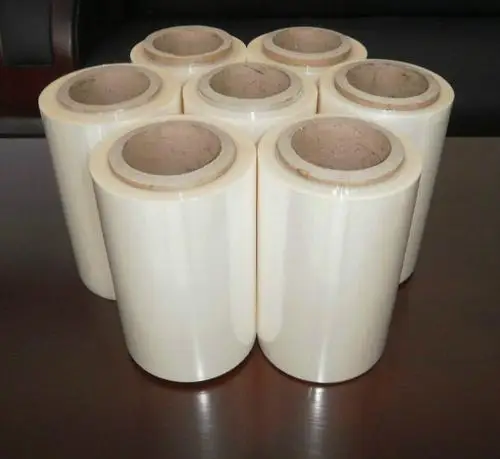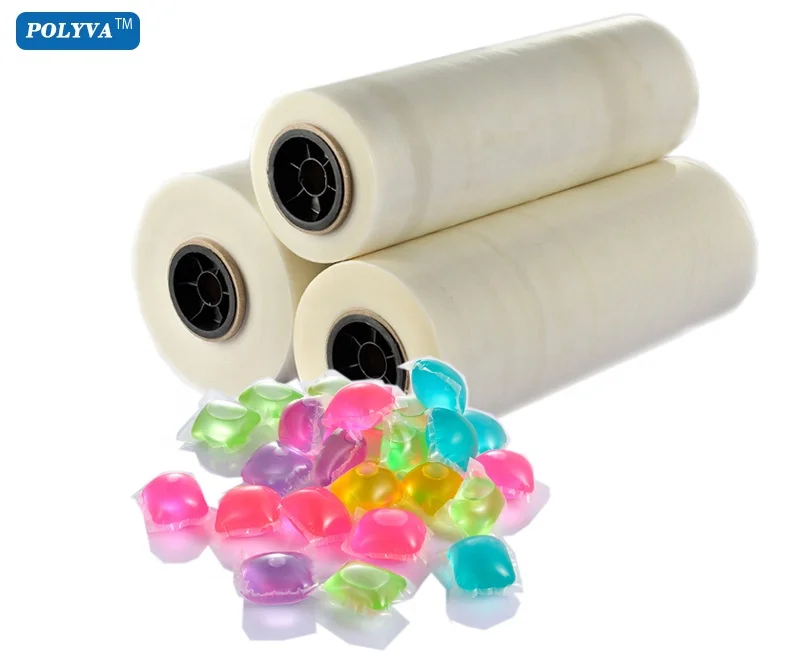
Polyvinyl alcohol (PVA) stands out as a notable solution in combating the pervasive issue of white pollution, stemming from its biodegradability despite being derived from petroleum sources. PVA film materials boast a remarkable array of properties, making them a promising candidate for various applications. With its high barrier characteristics, PVA effectively shields against external elements, ensuring the preservation of contents within packaging or encapsulation. This barrier feature not only extends the shelf life of perishable goods but also safeguards sensitive products from environmental degradation.
Moreover, the transparency of PVA films is unparalleled, offering clarity that is crucial in industries like food packaging and optics. This optical clarity enhances product visibility and presentation, contributing to consumer satisfaction and marketability. Additionally, the high toughness of PVA ensures durability, making it suitable for demanding applications where strength and resilience are paramount. Whether used in packaging materials or industrial films, PVA's robustness ensures reliable performance under varied conditions.
Biocompatibility is another noteworthy attribute of PVA films, rendering them safe for contact with biological systems such as human tissues or food products. This feature opens avenues for applications in medical devices, pharmaceuticals, and edible packaging, where compatibility with living organisms is imperative. Furthermore, PVA's adjustable water solubility adds versatility to its utility. By modifying its solubility, PVA can be tailored for specific applications, ranging from temporary packaging solutions to controlled-release drug delivery systems.
The environmentally friendly nature of PVA, coupled with its versatile properties, positions it as a compelling alternative to traditional non-biodegradable plastics. As global efforts intensify to mitigate plastic pollution, PVA emerges as a sustainable choice, offering a viable pathway to reduce environmental impact. Its biodegradability ensures that discarded PVA materials degrade harmlessly over time, minimizing ecological harm and contributing to the preservation of natural ecosystems.
In conclusion, Polyvinyl alcohol (PVA) presents a multifaceted solution to the challenge of white pollution, offering a blend of high performance and environmental sustainability. Its exceptional properties, including high barrier, transparency, toughness, biocompatibility, and adjustable water solubility, make it an attractive option across a diverse range of industries. As society strives for more sustainable alternatives, PVA stands out as a beacon of innovation, promising a cleaner, greener future for generations to come.